Festival Daily – Wednesday
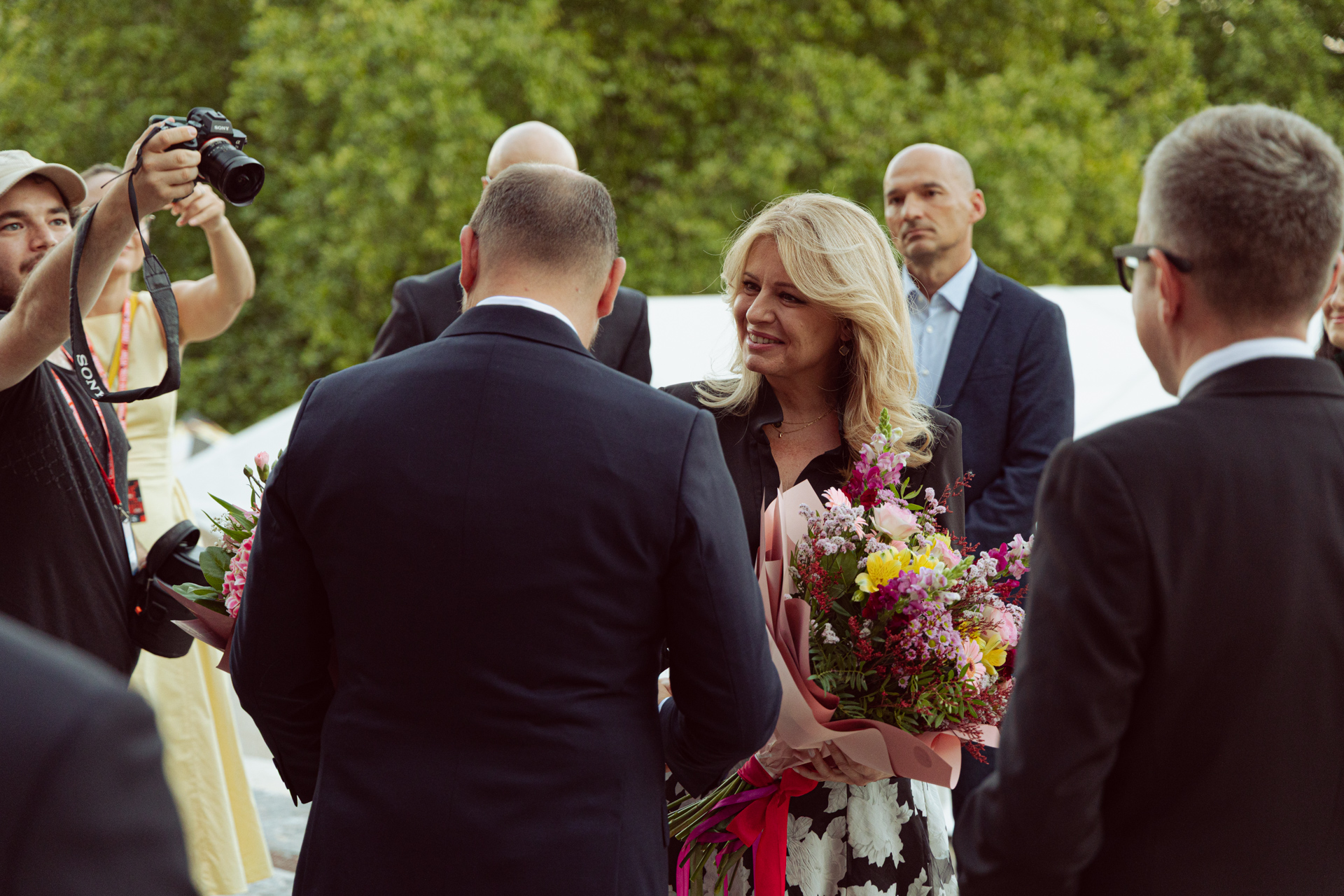
At yesterday's premiere of the historical drama about general Golian, we had a distinguished visitor - President Zuzana Čaputová.
Don't miss out!
11:00 | Fon | Tree of Knowledge
Danish director Nils Malmros came to Piešťany in person and the festival is presenting a retrospective of his work.
13:30 | Du | Gentle Monster
Renowned concert pianist Lucy and her husband Philip, along with their young son, are moving from the city to a country house in the hope that a more peaceful environment will help her partner overcome burnout.
14:00 | Fon | A Pint of Ink
Ester Geislerová is bringing her new documentary directly to Piešťany for its Slovak premiere.
17:00 | CL | A week with .týždeň
A week with .týždeň live at Cinematik! Topical, sharp and without a filter – exactly as you know it.
17:30 | Kk | Fighting Demons with Dragons
Østerskov Boarding School is a place where students learn through play, and role-play is an integral part of the education. A school for young people who have been outsiders all their lives.
Tips of the day
Broken English
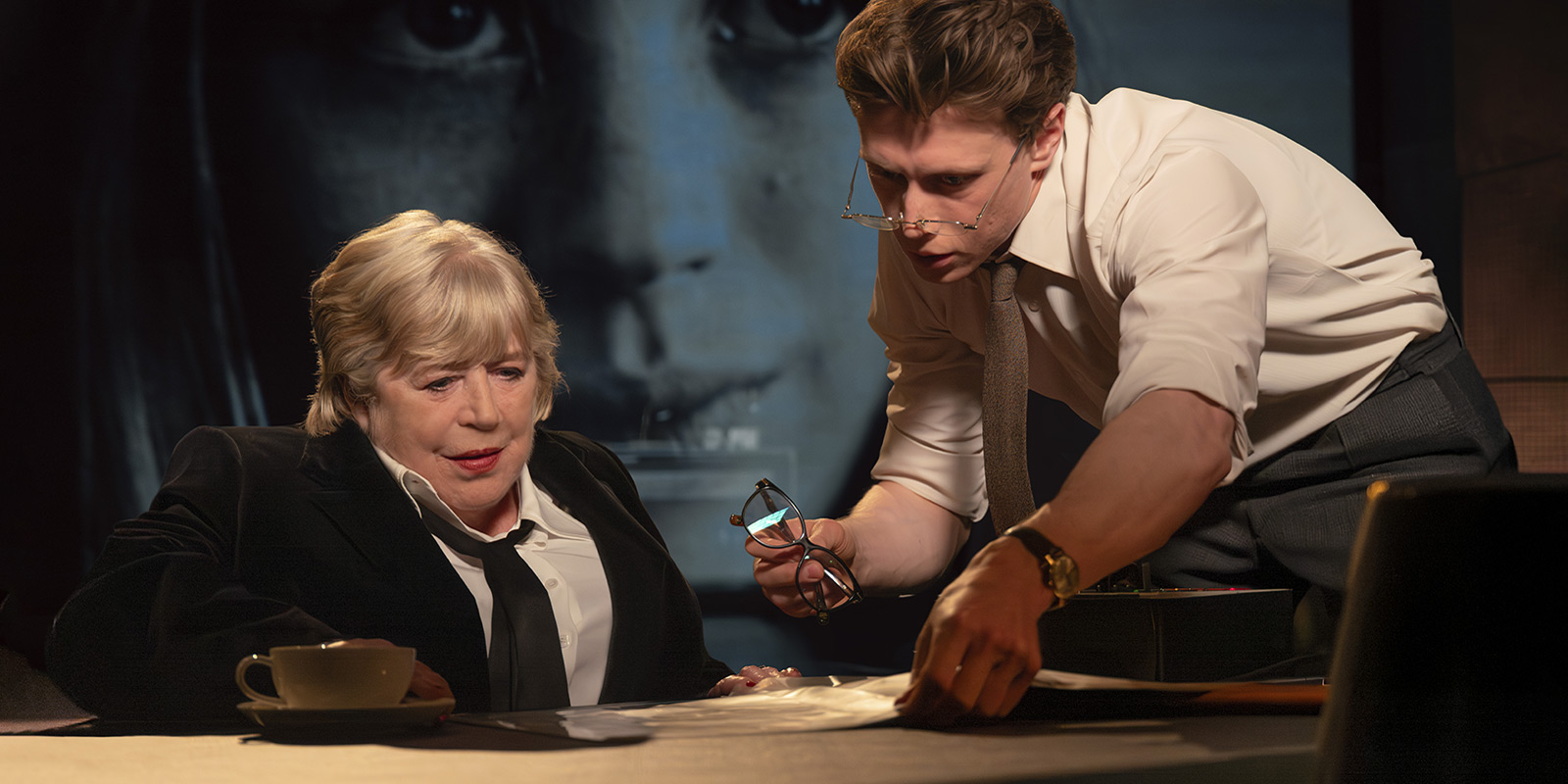
16:30 | Fon | The portrait of Marianne Faithfull by director duo Iain Forsyth and Jane Pollard is not a classic music documentary. Broken English it boldly blends archive footage, interviews, dramatic reconstructions and the surreal world of the fictional Ministry of Forgetting. The result is an original cinematic collage that does not attempt to enclose the famous singer within a few familiar biographical chapters. Faithfull herself is the film's greatest asset. She speaks openly about fame, addiction, downfalls, ageing and the constant need to start over. Meanwhile, Tilda Swinton and George MacKay create a strange, at times playful framework that lends theatricality and imagination to the narrative. The film thus also captures the contradictions of its heroine – a woman who was simultaneously a rock icon, a muse, a rebel and an artist refusing to be pigeonholed. Broken English it is an impressive and unconventional farewell to an exceptional personality. Instead of a polished monument, it offers a lively, somewhat chaotic, but sincere portrait of a woman who was able to tell her own story right up to the end.
Barbora Gvozdjáková
Rose of Nevada
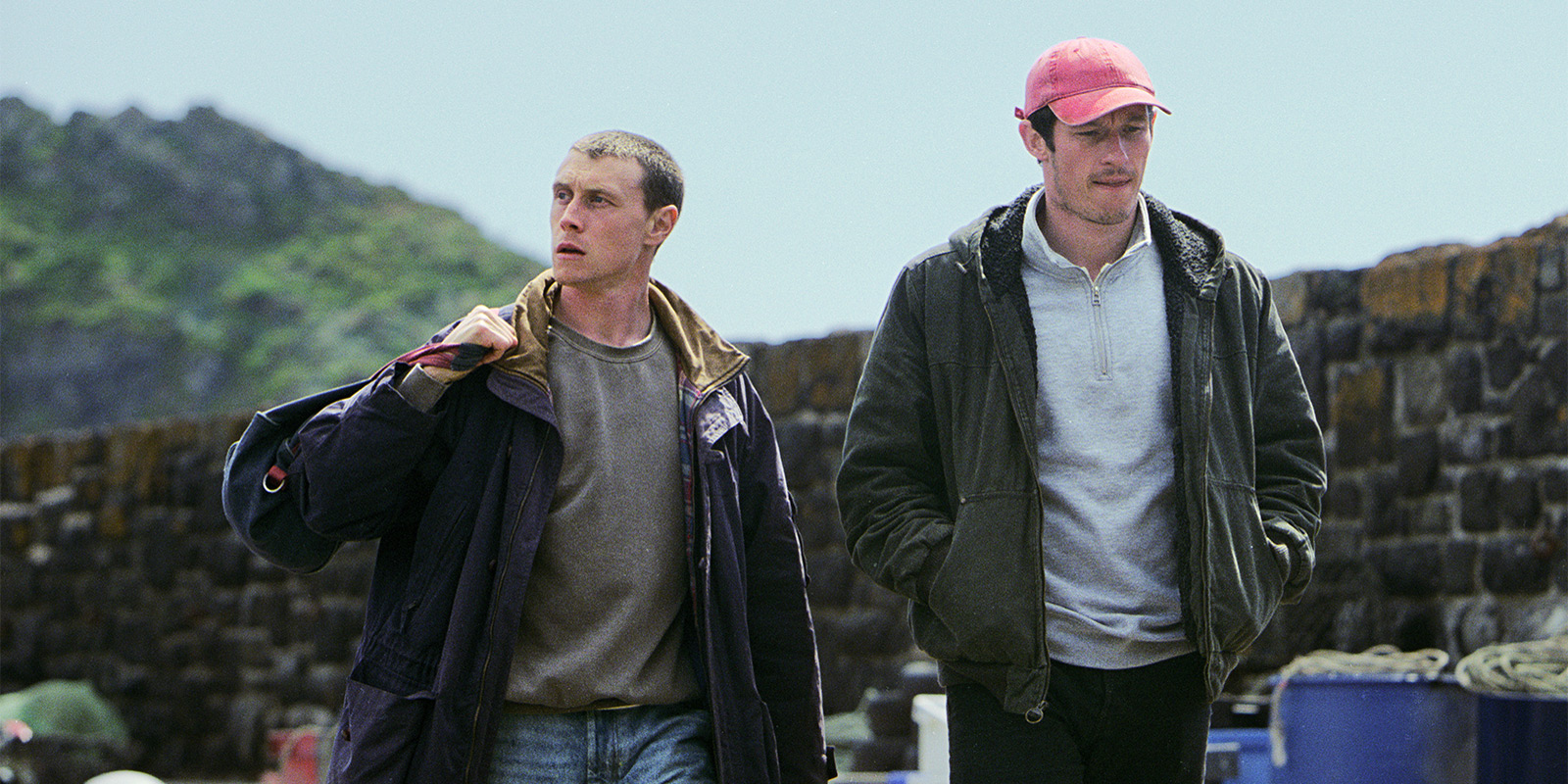
10:30 | Fon | In a good cinema, it is not always about polished pixels; the rattle of 16mm film and the sound of wind biting into sea cliffs are enough. British filmmaker Mark Jenkin, known for his raw analogue aesthetic, in his new work Rose of Nevada proves that film language can be just as physical as the craft itself. The story drills deep into an environment of isolation and seafaring mythology, yet Jenkin resolutely rejects conventional narrative crutches. Instead of literal storytelling, he builds on the tangible texture of celluloid, hypnotically repeated sound loops, and editing that evokes the ebb and flow of the tide. Without explanation, he lets the viewer breathe the salty air and perceive every scratch on the film strip as an imprint of the town's memory. Jenkin's signature style is cold yet immersive at the same time. The film stubbornly ignores genre dictates, transforming into a visual ritual. The boundaries between the present and phantoms definitively blur into the silent melancholy of a corner of the world where time has lost its meaning. For the festival-goer, this is a fascinating experience that does not demand obedience, but complete surrender to its unrepeatable atmosphere. If a century-old, wind-whipped lighthouse were one day to decide to film its autobiography, it would look exactly like this.
Matej Ambroš
Birthday Girl
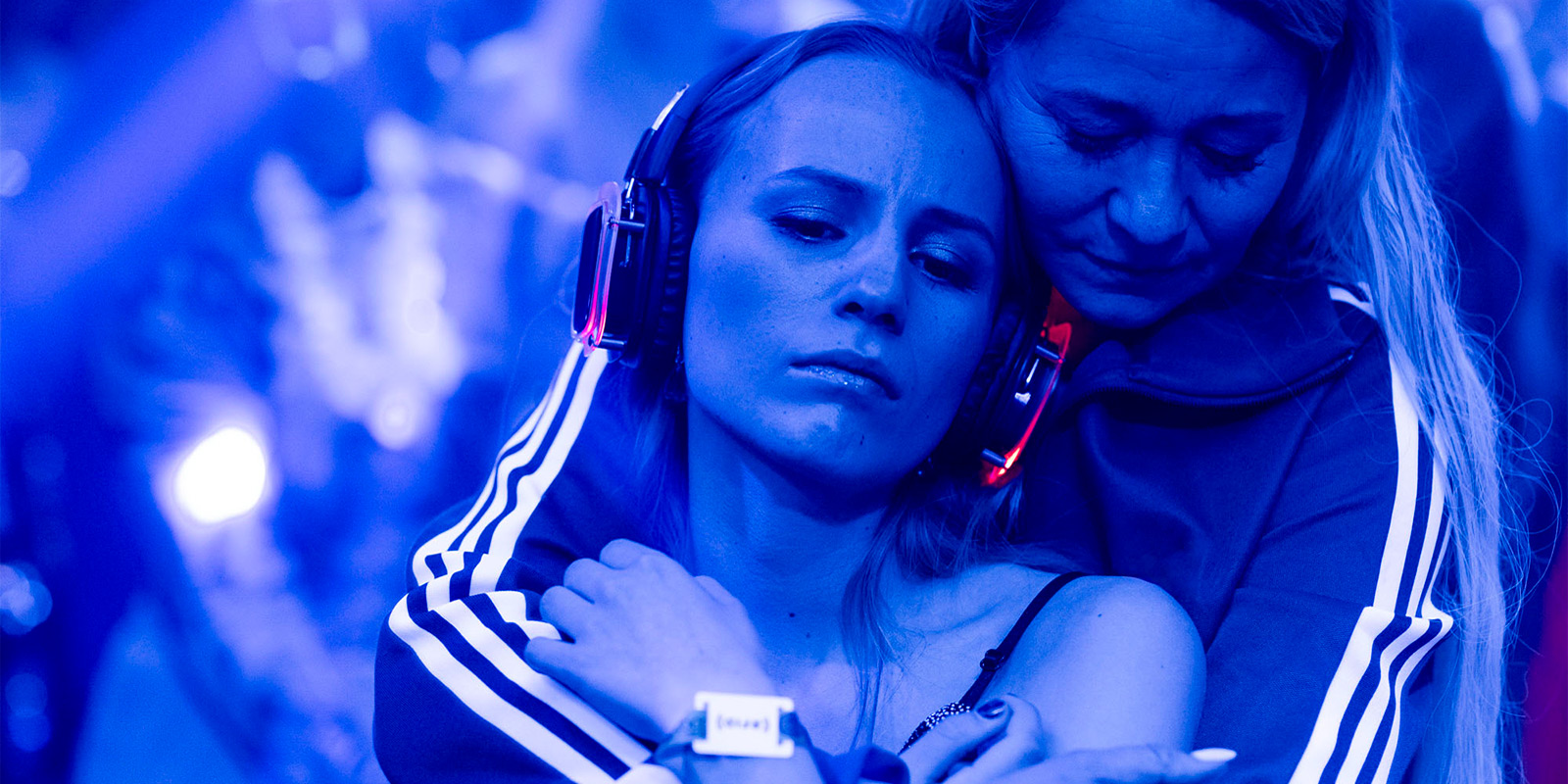
11:30 | Kk | Danish director Michael Noer in the film Birthday Girl transforms the luxury cruise ship into a claustrophobic space where the holiday idyll gradually turns into a fight for truth and justice. The story of mother Nanna and her eighteen-year-old daughter Cille, whose joint celebration is disrupted by a traumatic event, is also a sensitive probe into the complicated relationship between parent and child. The film's greatest asset is its acting performances. Trine Dyrholm portrays Nanna with admirable intensity – her character is protective, impulsive, vulnerable and at the same time determined not to give up. Flora Ofelia Hofmann Lindahl impressively seconds her as Cille, who withdraws into herself after the event. Their mutual tension and gradual rapprochement are among the strongest moments of the film. Noer manages to present the sensitive topic of sexual violence without simple answers. In doing so, he makes use of the atmosphere of the enclosed ship, the storm and the uncertainty, which create an impressive thriller framework. Birthday Girl It is a suspenseful and emotionally powerful drama that forces the viewer to think about trust, guilt, trauma, and what it means to stand up for someone we love.
Barbora Gvozdjáková
Interview
Nils Malmros
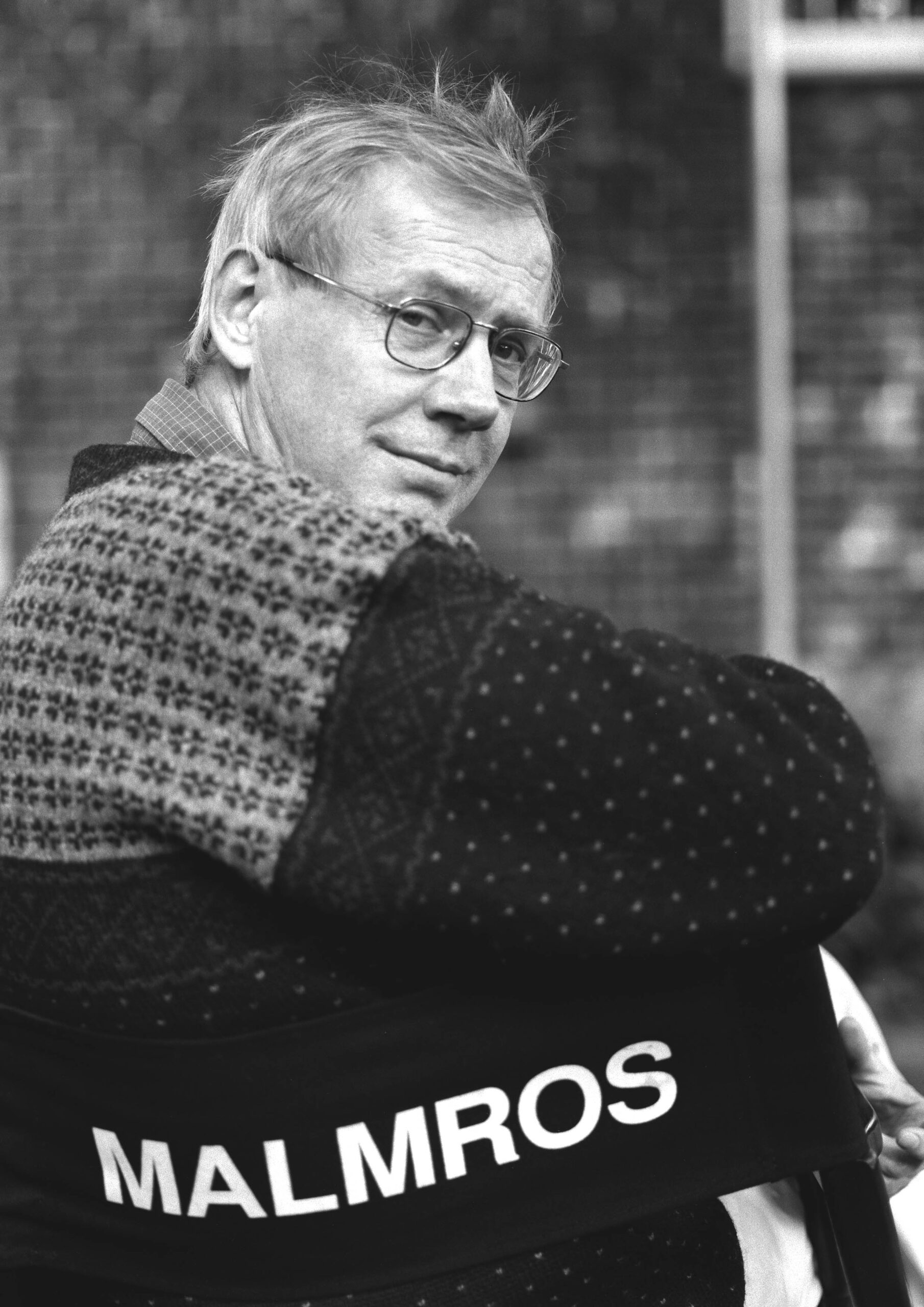
Is this your first time in Slovakia? How are you enjoying it here?
I have been to Prague several times. Among other things, we recorded film music there with the Prague Philharmonic Orchestra. Barbara. However, I have never been to Slovakia.
Your first career choice was medicine. What was the main reason you wanted to pursue this particular profession?
After watching the French film Jules and Jim From François Truffaut I felt a great desire to become a film director. My father, however, was a neurosurgeon and desperately wanted me to become a doctor. So I became both – alongside making films I also worked as a doctor, even in my father's former department in Aarhus as a neurosurgeon.
Did you use any medical knowledge when making your films?
Yes. I made a film about my father's whole life, and there are even brain surgeries in it. As a specialist, I directly participated in the surgeries, while my father was played by an actor. The film will be screened at a festival and is called Facing the Truth.
You have received numerous awards for your work. Which of them is the most important or valuable to you?
I am completely self-taught and funded my first films myself – I earned the money for them by working night shifts in a hospital. The first film, A Strange Love, was a disaster and critics at the time said that all young people who dream of making films should make a pilgrimage to the film A Strange Love, so that they could see with their own eyes just how badly it can go wrong. Then I made a new film Lars Ole, 5c about his school days and that won the Bodil Award (the Danish Oscar) for best Danish film of the year. So this Bodil Award will forever be the best accolade for me.
Barbora Gvozdjáková
11:00 | Fon | Tree of Knowledge
Review
Milota
„Seeing myself through the lens of other filmmakers is an experience that is vulnerable, yet at the same time immensely liberating. Whilst in photography it is I who have absolute control, who decides what remains hidden from the viewer, film operates on entirely different principles. It requires a deep trust that the camera is not a judge there to evaluate me, but a partner in a dialogue seeking to capture my authentic presence.“ On the occasion of significant anniversaries in the lives of prominent artists, exhibitions, books or film portraits are often organised to commemorate their artistic contribution, assess their life’s work and bring it to the attention of both the specialist community and the wider public. At present, cinema-goers can see a documentary about the Slovak photographer Milota Havránková, who began her professional career in the late 1960s. Her work, with its focus on photographic experimentation and choice of subjects, differs from what is traditionally understood as photography, black-and-white documentary or conceptual photography. Havránková studied at the School of Applied Arts in Bratislava and later at FAMU in Prague. She was originally interested in painting, but a place became available to study photography at the School of Arts and Crafts. She took up the challenge and did very well. In Prague, where she was the first woman to graduate from the newly established photography department, she further expanded her knowledge. However, it was the late 1960s, and the social liberalisation was literally crushed by Soviet tanks. Yet she did not abandon her artistic calling. She also shared her talents as a teacher at the Secondary School of Applied Arts (SUPŠ), where she influenced an entire generation of Slovak photographers (such as Tona Stana and Martin Štrba), who later went down in history as the „Slovak New Wave“. She later taught at the Academy of Performing Arts (AMU) as well as at the Academy of Performing Arts in Bratislava, where she ran a studio. „The cultural scene in Prague and the creative ferment of Czech cinema were world-class at that time, thanks to the strong personalities who were also teaching at the school. They created freedom within a lack of freedom, full of euphoria. Two currents of visual culture intertwined here: the Czech New Wave and surrealist film, which had come from the West. Thanks to the academic environment, we were shown all the banned films. The relaxed atmosphere began to inspire me to experiment with staged elements in photography and film; I began to perceive and absorb everything intensely.“ A new documentary film Milota which strives to capture the complex life and work of a renowned fine art photography artist within a relatively short timeframe. However, this very endeavour to encompass the depth of such a significant figure's personality, combined with a running time of approximately seventy minutes, acts as one of the resulting work's greatest limitations. The viewer learns primarily the basic framework of her life story, while several themes remain merely touched upon. At certain moments, it would be beneficial to delve deeper into the protagonist's inner world and expand upon her personal reflections or artistic stances.
Barbora Gvozdjáková
17:00 | Fon | Milota
Profile
FAMU
The Film and TV School of the Academy of Performing Arts in Prague (FAMU) is one of the most prominent film schools in Europe and is one of the three faculties of AMU. Founded in 1946, throughout its existence it has produced numerous notable figures of Czech and world cinematography. Its alumni include directors, scriptwriters, cinematographers, editors, producers, and other creators who have significantly influenced the development of film and audiovisual art. FAMU offers study in a wide range of fields, from directing, scriptwriting, and production to cinematography, editing, and sound, as well as animated and documentary filmmaking. It is characterised by the combination of theoretical education with intensive practical creation. During their studies, students work on their own film projects and gain experience in both the creative and production processes. The school encourages an auteur approach, experimentation, and freedom of artistic expression. An important role is played by collaboration between individual disciplines and the regular confrontation of student work with the professional public. At the same time, FAMU is part of the international film environment, and its students and alumni regularly present themselves at prestigious festivals and competitions. Thanks to its tradition, high-quality pedagogical background, and emphasis on individual creative development, FAMU remains an important centre for film education and audiovisual creation.
Barbora Gvozdjáková
14.30 | Kk | FAMU 80: Best of